In shortLevel 1 is foundational knowledge. You will already come across much of it at university, in strategy, statistics or psychology. In the case interview and in your first week on a project, it is taken for granted that you know Five Forces, disruption and typical cognitive biases.
- (01)
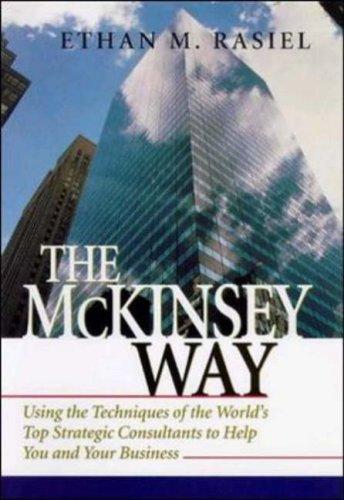
The McKinsey Way
Ethan M. Rasiel · 1999
Why nowHow a consulting team works: hypotheses, interviews, slides. The best introduction before you see a project from the inside for the first time.
View on Amazon - (02)
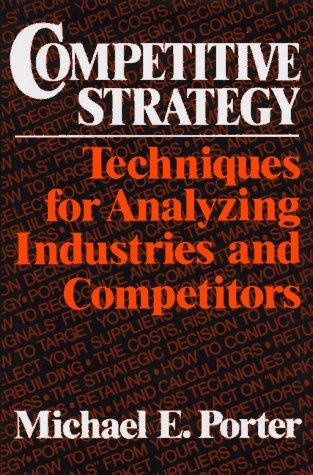
Competitive Strategy
Michael E. Porter · 1980
Why nowFive Forces and the generic strategies are textbook material in business studies and standard in the case interview. Without them you cannot structure a market.
View on Amazon - (03)
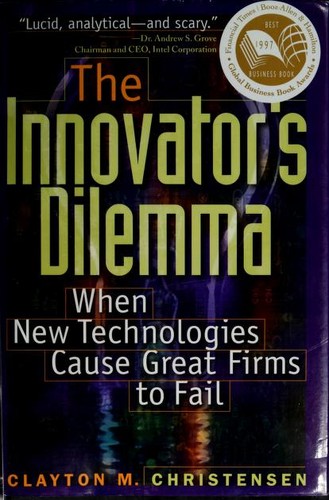
The Innovator's Dilemma
Clayton M. Christensen · 1997
Why nowDisruption is part of the basic vocabulary. It is taught in strategy lectures and is a popular follow-up question in interviews.
View on Amazon - (04)
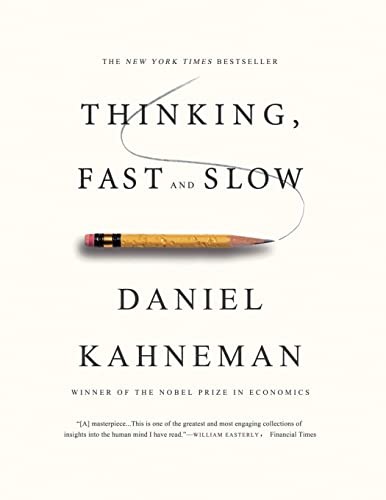
Thinking, Fast and Slow
Daniel Kahneman · 2011
Why nowCognitive biases, anchoring, overconfidence: material from psychology and behavioural economics that you need for every estimation question.
View on Amazon - (05)
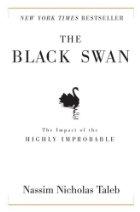
The Black Swan
Nassim Nicholas Taleb · 2007
Why nowYou know fat tails and rare extreme events from statistics. Taleb turns them into a mindset you should take with you from the start.
View on Amazon
Also worth reading
- Supplementary · 1999Case in PointMarc P. CosentinoThe standard book for preparing for case interviews.View on Amazon
- Supplementary · 2001The McKinsey MindEthan M. Rasiel, Paul N. FrigaThe sequel to “The McKinsey Way”, with more tools for analysis.View on Amazon
Frequently asked questions
Which books should I read before a consulting internship?
“The McKinsey Way” as an introduction to how consultants work, Porter’s “Competitive Strategy” and Christensen’s “The Innovator’s Dilemma” for the strategy basics, and Kahneman and Taleb for judgement under uncertainty. For the interview itself, add “Case in Point”.
Last updated: 25 November 2026. Carefully researched, but without guarantee. Not legal, tax or investment advice. Disclaimer